
On Fate & Free Will: Why Rob Reiner’s Death Struck Such A Chord
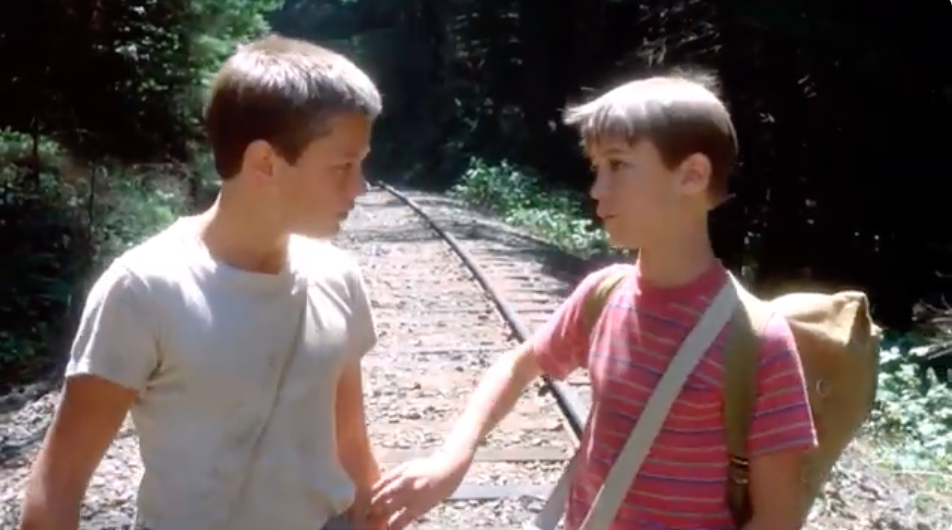
Chris (River Phoenix) and Gordie (Wil Wheaton) in Reiner’s Stand By Me
When Rob and Michele Reiner died a few weeks ago – seemingly at the hands of their son – the shocking story struck a chord with me and so many others.
At home, my family went on a Reiner movie binge over the holidays, covering Stand By Me, The American President, and The Princess Bride over a few days. Living in Los Angeles, we even felt compelled to drive by his house one afternoon.
Everywhere I went, the story would come up. For one colleague of mine, whose child is facing their own challenges, the story stirred up her frustration with how harshly society can judge parents of kids who go astray. Another friend confessed the fear the story stoked in her that her own nephew might be capable of something similar.
As a sad story touching on many themes – addiction and parenting and wealth and mental illness – it was not surprising to see the story unlock different things for different people.
And yet, the reaction to the story suggested something deeper. To me, Rob Reiner’s death felt like a tragic echo of a theme he explored repeatedly in his films; the tension between personal agency and forces beyond our control. His characters often found themselves in challenging circumstances and had to assert agency within them to achieve their happy endings.
Reiner loved to highlight the triumphs of agency over circumstances in his feel-good movies, but his own story was a blunt, hard-to-sit-with reminder of what happens in real life when other forces win out.
The epitome of tragedy
Tragedy, in the classical sense, occurs when someone experiences a serious downfall because of a mix of their own choices and forces beyond their control.
In Reiner’s case, he and his wife had all the advantages: success, resources, a loving marriage, and what from all accounts seems like the purest of parenting intentions. Yet none of it could shield them from the cruelest of outcomes: dying at the hand of one’s child.
Their story reminded me of Kobe Bryant’s death. For Kobe, despite being the embodiment of discipline, preparation, and relentless hard work – his “Mamba mentality” – could also not escape an untimely death for himself or his lovely daughter.
Reiner and Bryant were both men of great agency – they worked hard and were loved and had access to resources – but in the end it wasn’t enough.
Beyond tragic: art imitating life
What makes the Reiner story especially haunting is that he spent decades exploring this very tension in his work.
Take Stand by Me, for example (**spoiler alert**). I had never seen the movie before (one of Reiner’s firsts), but my husband watched it on his own shortly after Reiner’s death and enjoyed it so much that he insisted we watch it together the next night.
The film follows four boys, each shaped – and constrained – by the circumstances they were born into. Gordie struggles with invisibility in his family; Teddy bears scars from an abusive father; Chris, a smart and natural-born leader, is typecast as a troublemaker because of the reputations of his father and brothers.
There’s a constant tension between whether the boys will succumb to or overcome their fates. Your heart swells when you learn that Chris escapes his childhood to become a successful lawyer and father, only to find out in the final few minutes that fate strikes again to hand him an early death.
This theme appears across Reiner’s movies – and he brought it to others’ as well. In Good Will Hunting, it was Reiner who encouraged Matt Damon and Ben Affleck to focus on themes of relationships and potential instead of action-heavy plot points in their original screenplay. There is even a scene in Good Will Hunting (one of my favorites) that seems to deliberately echo a similar Stand By Me clip, in which boys across both movies, destined to more limited lives, tell their “higher potential friends” that it’s their duty to escape their circumstances. Clearly a theme that resonated with Reiner.
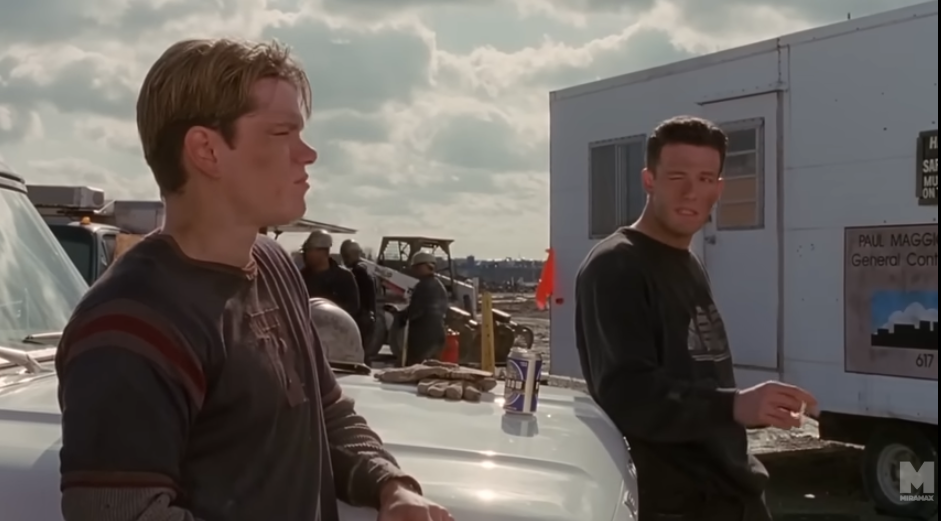
“The Best Part Of My Day” scene from Good Will Hunting
IRL: life imitating art
Stand By Me becomes even more poignant when we remember that River Phoenix, who played Chris, died just eight years later from a tragic overdose. The boy who embodied the struggle between agency and fate on screen ultimately succumbed to it in real life.
To then watch Reiner himself fall victim to unimaginable circumstances almost 40 years later – the very tension he explored in his work realized in life – is unsettling. His movies taught us about agency and the human spirit, but his real life reminded us of its limits.
Making sense of his death
Humans are meaning-making creatures. In the face of senseless tragedy, we search for patterns, lessons, or truths. For me, Reiner’s death underscores the essence of the human experience: the interplay between what we control and what we don’t. Living on our own terms even when we’re facing forces beyond ourselves.
No amount of talent, wealth, or effort can fully circumvent greater forces. And many times those forces work in our favor, but sometimes they don’t. We are masters of our lives, yet also mere mortals.
And I think that is what Rob Reiner would want us to remember from these recent events. The tension itself – the grappling between agency and circumstance – is what shapes us.
The end of Stand by Me concludes with a powerful monologue from Gordie, at that point a grown man. It made me think about what the ending monologue might be for Reiner’s own story. I imagine something like this:
They were stabbed by their son.
They died almost instantly. They could never have predicted this, but they weren’t surprised.
They knew that they had done their best – and they would do it all again.
And in that moment, Reiner realized that the only thing harder than coming to terms with the role external forces play in our own lives, is coming to terms with the role they play for our children’s.
I certainly didn’t know the guy, but I think Reiner would say that his story doesn’t end with his death. And that his wish for his children – all three of them – is that they will muster the spirit to rise above these hardest of circumstances. That meaning will emerge from how they respond to it. And that he’ll be cheering them on as they do it.