
Saving for a Purpose: The Luxury of Waiting Before We Buy
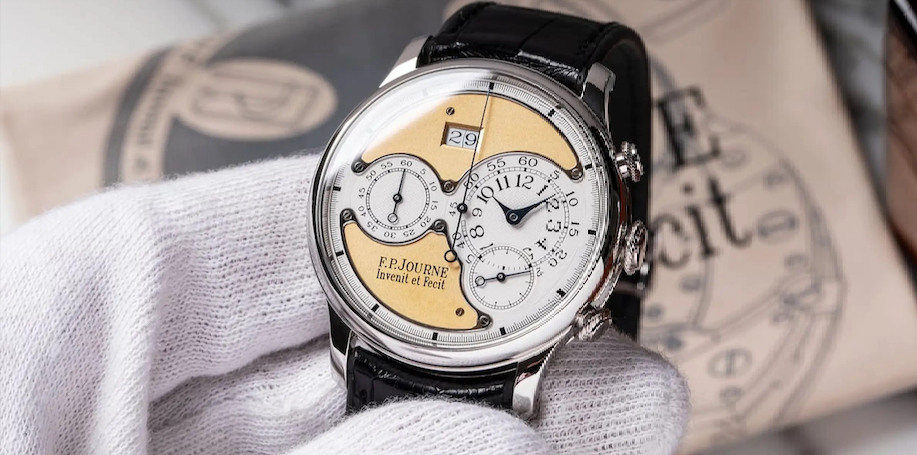
About a year ago I suddenly found myself coveting something unexpected: a luxury item I previously had had no interest in. It is a high end and exquisitely crafted timepiece - a watch - that costs a lot of money. Certainly way more than fits into my “impulse buy” budget. But even though it is an expensive item, purchasing it would not require any major lifestyle change. If I bought it today, I could still eat at the same restaurants, buy the same clothes, and get organic groceries at the same grocery stores. But it still didn’t feel right to run out and buy this item, despite how much I wanted it (and still do).
So I decided to “save up” for it.
If you’re lucky enough to have plenty of financial resources, the act of saving is no longer a survival mechanism; it is, at best, a strategic allocation. But if you view saving only through a financial lens, you miss an opportunity to align your spending with your values.
This isn't about affordability. It is about the deliberate choice to reintroduce friction into your financial life to cultivate a deeper sense of meaning. It is a practice that sits at the heart of wealth as wellbeing—the idea that your resources should not just provide ease, but also facilitate purpose and joy that lasts.
There is a unique challenge that accompanies abundance: when the friction of acquisition disappears, the "story" of an object often vanishes with it.
Does the concept of the hedonic treadmill sound familiar? The rush of acquiring a new piece of art, a vehicle, fancy new sports equipment, or expensive accessories is often intense but fleeting. When a desire can be gratified instantly, the space between "wanting" and "having" disappears. Yet, it is often in that very space—in the anticipation, the planning, and the waiting—that appreciation is born. We relearn to savor.
Without that space, we risk turning potential treasured objects of value into mere inventory. And inventory tends to be transient.
To access a sense of sustained appreciation for material possessions, we must be willing to manufacture our own constraints. This is the art of Active Foregoing.
It is a psychological exercise as much as a financial one. Even if you can purchase something that you desire effortlessly today, choosing to "save" for it creates a necessary pause. It asks you to name the intention behind the purchase. Are you seeking beauty? Heritage? Belonging? Or perhaps a simple, quiet pleasure?
In my case, I’m using a spreadsheet to keep track of the things I feel certain I would have bought had I not been “saving up”. The question I ask myself is “would I rather have this than the watch?” It is fascinating to experience how mindlessly I sometimes consume. For instance, I have plenty of nail clippers, and the marginal benefit of a new Japanese nail clipper is, yes, marginal. But I would have bought it! Now I keep track of this “non-purchase”, and many other, much more expensive things in the spreadsheet.
By envisioning a future date for the purchase and consciously diverting funds toward it — by foregoing impulse buys and other small or large luxuries that have lost their luster — you are engaging in a ritual of trade-offs. You are telling yourself, "I am choosing this over that."
The idea is to restore the meaning of the purchase. To transform a transaction into a journey. And along the way you get to test how much this item feels right to you. Is it within your value set? True financial wellbeing isn't just about the security of having enough; it is about aligning our financial decisions with our values.
When we strip away the necessity of saving, we are left with the luxury of saving. We are left with the ability to use patience as a tool for mindfulness.
By the time you finally acquire that item you have "saved" for, you are possessing more than just a physical object. You are possessing the memory of your own discipline and the clarity of your own values. You have moved from simple consumption to genuine appreciation.
In a world oriented towards mindless consumption, there is great luxury in giving yourself the permission to wait.