

Family Learning and the “VQ”
The field of family dynamics and family enterprise coaching has evolved of late to focus on learning. Family offices are hiring Chief Learning Officers to prepare the rising generation for leadership. Luminaries in the field like Dennis Jaffe and Jay Hughes have written that for multigenerational families to remain successful, they must become “learning organizations.”
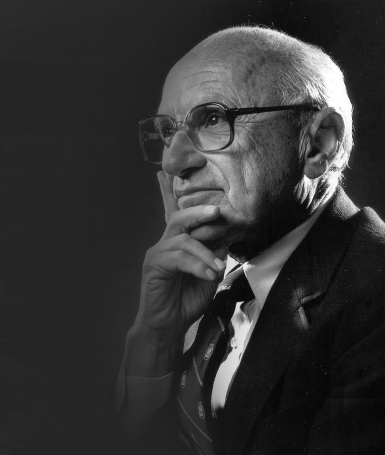
How We Spend Money: What Milton Friedman Got Wrong
Friedman assumes an indomitable level of selfishness that determines we’ll always be less careful about spending other people’s money than our own. But there are many exceptions to this characterization, where people — inheritors — spend “somebody else’s money” with great care.
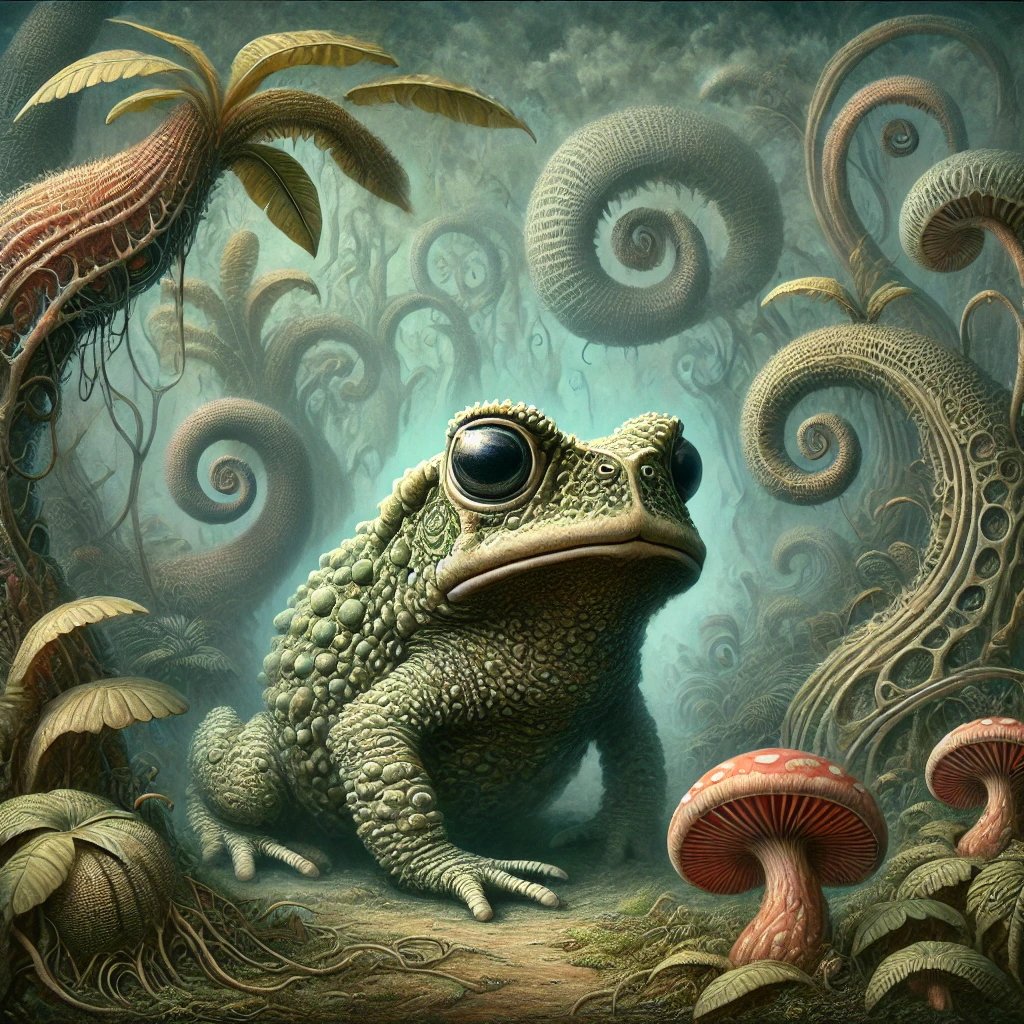
Imaginary Gardens with Real Toads: Metaphor, Poetry, and Families
At Graddha, we love metaphors and especially metaphors found in nature. Case in point, our name Graddha, which means “eagle” in Telegu, one of the many languages spoken in India. Eagles are a natural metaphor for wealth dynamics work because they soar above storms, care for their young sometimes after they have fledged the nest, have extremely acute vision, are a symbol on our money, and are considered sacred in many indigenous cultures.

Deciding to Remember: Why We Shouldn’t Leave Memories To Happenstance
In Tomorrow, and Tomorrow, and Tomorrow by Gabrielle Zevin, she writes: “Memory, you realized long ago, is a game that a healthy-brained person can play all the time, and the game of memory is won or lost on one criterion: Do you leave the formation of memories to happenstance, or do you decide to remember?”